How a Living Trust Protects Your Family
Need a Living Trust?
Quote
“One of the most loving things you can do for your family is to provide for their future security with a living trust.” ―Gary Fitzgerald (he taught me everything I know about living trusts)
-
Would you like your loved ones to receive their inheritance quickly, or wait up to two years or longer?
-
Would you like to keep your estate private or made public when you pass?
-
Would you like 100% of your estate to go to your loved ones, or would you rather they receive 95% and the other 5% go to attorneys and court fees?
Three Ramifications at Death
When a breadwinner passes away, there are generally three ramifications:
- Emotional trauma
- Financial insecurity (Term Life)
- Legal entanglements (Living Trust)
My expertise lies in helping you with the last two.
Four Components of a Complete Estate Plan
1: The Revocable Living Trust
This is the centerpiece of your Estate Plan. The trust is completely under your control. It is fully revocable while you are alive. You may alter, amend (in whole or in part), or even revoke your trust at any time. You can transfer your assets out of your trust just as easily as you can transfer your assets into your trust.
A living trust is a legal document created by you during your lifetime. Just like a will, a living trust spells out exactly what your desires are with regard to your assets, your dependents, and your heirs. The big difference is that a will becomes effective only after you die and has been entered into probate. A living trust bypasses the costly and time-consuming process of probate, enabling your successor trustee to carry out your instructions as documented in your living trust at your death or if you're unable to manage your financial, healthcare, and legal affairs due to incapacity.
- Avoids the costs, delays and the headaches of probate. You don't need an attorney to settle a Living Trust at your death. All the money in your estate goes to your family and a Living Trust is settled in a matter of weeks instead of months and years as is the case with a Will and Probate. For this reason alone, it makes a lot of sense to seriously consider doing a Living Trust for your family.
- Eliminates the Gift Tax.
- Pre-determine who will care for your minor children.
- Pre-determine who will care for you in your old age when you can no longer take care of yourself.
- Provides "dying" instructions.
- Determine who gets what at death.
The person who manages the trust is called the Trustee (in most cases you are the Trustee initially). After your passing, the Successor Trustee you appointed can manage and distribute assets to the beneficiaries of the trust.
If you have children you can create a sub-trust to hold their assets until they reach a certain age or split distributions over time at three different ages. This prevents a potentially immature young adult from receiving a windfall that might cause more damage than good. You can even allow early withdrawal for educational expenses, first home, wedding or a business.
You can stipulate beneficiaries as "income only", and prevent them from getting a lump-sum distribution and allow them only to draw and income for education, maintenance and support.
2: Health Documents
Living Will and Advanced Health Care Directives allow you to determine how you want medical care administered if you have a terminal illness or are in a comatose state.
These instruments will serve to give notice to medical professionals your wishes, such as if you desire whether or not to be kept alive by artificial means.
Many healthcare providers require a Durable Power of Attorney for Healthcare (DPAH) in conjunction with a Living Will to carry out the decrees of a Living Will. It is important that your agents for your Durable Power of Attorney for Healthcare are the same as your Living Will.
The Durable HIPPA Statement grants an exception to the privacy restrictions of the HIPPA law to allow for personal information to be provided to the Agents you have appointed so they can make an informed decision regarding your medical care.
3: Durable Financial Power of Attorney
This document appoints an agent(s) to perform financial decisions regarding any assets not funded into your trust at the time of your legal incapacitation. For assets already funded into the trust, the Trustee already has this authority.
Not only do you get to decide who makes financial decisions on your behalf, you also protect your privacy and save money by avoiding expensive court and legal fees.
Having a Durable Financial Power of Attorney will help help avoid a court-supervised guardianship / conservatorship in the event of legal incapacitation where all finances become a matter of public record.
4: Last Will & Testament
The Last Will and Testament is better described as a "Pour-Over Will". It is used in conjunction with a Revocable Living Trust and its primary function is to convey everything you have forgotten to fund into the trust prior to your death (hence "pour-over").
Please note that unless your remaining assets are minimal in value, all non-trust (un-funded) assets must go through probate first.
In addition, you may appoint guardians for your minor or disabled adult dependents so you can be assured who will take custody.
Wills vs. Living Trusts
“A will is nothing more than instructions for a probate court. A living trust bypasses the process entirely.” ―Gary Fitzgerald
| Wills | Living Trusts |
|---|---|
| A Will takes you into Probate. | A Living Trust avoids Probate and saves you time and thousands of dollars. |
| Assets are frozen in Probate Court for six months to 2 years or more. | A Living Trust allows these same assets to be distributed within days. |
| A Will provides no privacy with public Probate Court Proceedings. | A Living Trust is a private document and is not made public. |
| A Will takes effect when you die and has no living benefits. | A Living Trust benefits you while you're alive and after you've passed. |
| In Probate Court, anyone can contest a Will. | A Living Trust is settled without interference and extremely difficult to challenge. |
What the Experts Say...
Quotes
-
“If you have some assets (maybe just a car and some nice furniture) or minor children, you still need an estate plan - even if taxes are not an issue.” ―Smart Money, Wall Street Journal Magazine, January 2012
-
“Only 23% of American adults over age 50 have a trust.” ―AARP Poll
-
“56% of Americans do not have any estate planning documents in place.” ―2011 National Survey by LexisNexis
Suze Orman
-
“I never think a will is enough, I don't care if you have no money. Everyone should have a Living Revocable Trust with an Incapacity Clause inside.”
-
“Get yourself a living revocable trust. A will can be useful - but only if it's accompanied by a trust. Not only is a trust a great way to manage your assets while you're living, but it makes the inheritance process incredibly smooth.”
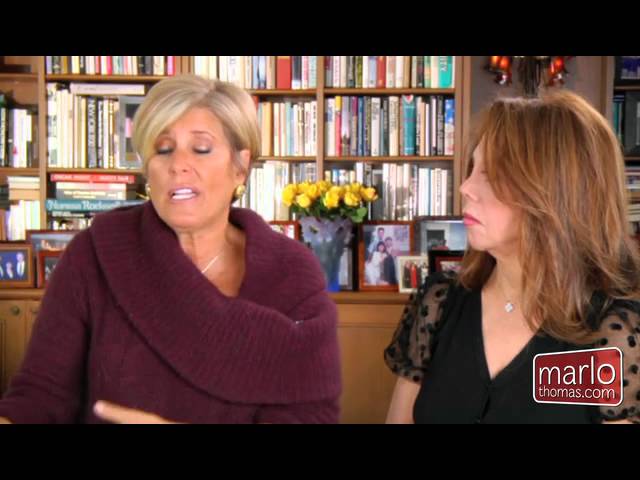
Youtube video: Suze Orman - Wills Vs. Trusts
Article: Asset Protection Overview, by Larry Baldwin
“The best way to prevent financial disaster is to make sure that the threat never becomes a reality.” -Larry Baldwin
I want to present a time-tested method for protecting your accumulating personal wealth. You may have a lot of assets or you may have a little. Whatever your individual situation is, I want to assure you that someone is waiting to take it away from you at the least provocation. Protecting your family’s financial future is your responsibility and specific well-planned legal steps should be taken to protect your wealth from such things as frivolous lawsuits, creditors, probate, MedicAid spend-down, Estate Taxes and other challenges to your estate after your death.
The effective protection and preservation of assets is based on a “strategy” of divesting yourself from the private ownership of your assets and organizing those assets into independent legal structures and separating those assets by their degree of liability risk. It is far better to manage your assets and enjoy them, than to personally “own” them and leave them vulnerable to all of the liability risks that we face in today’s litigious society.
Let me offer an example.
Assume you hold all your assets in your personal name, a Living Trust, or a fictitious business name (dba). All of your assets, both business and personal, are under one ownership... yours! If you were to accidentally hit a bike rider in your car... perhaps you were talking on the phone or tuning your radio...and didn’t see them; and if they were seriously injured and perhaps lost the use of their legs, or worse...most certainly a lawsuit would result and you would be responsible for any losses or injuries plus punitive damages which could amount to millions of dollars. Your private liability and auto insurance does not cover punitive damages... so who pays the damages? You do... with all of your assets on the line, you most certainly would lose everything you have worked your lifetime for to secure your future.
However, if you don’t “personally own” those assets they can’t be taken away from you because they don’t belong to you. Therein lies the effectiveness of this strategy. Constructing an “ASSET PROTECTION FORTRESS” that will protect your assets outside of your personal ownership and hold them safe from any losses due to any legal attacks against you personally. The fact is, if you don’t personally own the assets nobody can take them away from you.
However, you never want to hold all assets of every type in the same entity. Just as your investment advisor counsels you to diversify your investments, it is also imperative that you diversify your risk of loss. Consequently, we never advise you to put all your assets in one place. Always think in terms of minimizing losses if they occur. So here is the “strategy”... Separate your assets into different legal entities according to their potential for liability and loss. For example, never put your cash in the same entity with your car. If you hit or kill someone with your car, the owner of the car will be sued and you don’t want your cash in the same entity that owns the car and vulnerable to the lawsuit!
A strategy created on this model usually involves establishing more than one holding or operating entity, and
separating ownership of your assets into those entities by degree of risk. This allows maximum protection. If you own investment properties, you may need a Land Trust for each property. If you have stocks, bonds and cash, you may use separate Limited Liability Companies to hold and manage those particular assets because they don’t create any liability. If you have a lot of life insurance, you may need an Irrevocable Life Insurance Trust to protect your death benefit from the Estate Tax. If you own a business or tenant occupied investment property, you will want to isolate that liability from your personal assets because every employee, tenant, or customer is a lawsuit waiting to happen, not to mention product liability if you manufacture or sell a product or service.
One of the main advantages to this strategy is your ability to manage the entities. You operate them like the CEO of a company. You are the one who decides what happens, you control the money, and you make all the important decisions. You personally own nothing, but YOU are in charge! You are the President of your financial company. If you have reason to start or buy a new business, you simply build another structure to hold it and keep it separate from your existing businesses and personal assets. If you acquire another investment that has liability risk, you separate it from your other assets by isolating it in its own entity.
The wonderful thing about this strategy is that this system is no more difficult to manage than what you are already experiencing with your existing business or system. You may have a couple more tax returns to file but the overall effect of this well-managed strategy tends to reduce taxes, making it well worth the extra effort and expense.
Before discussing the costs of creating a FINANCIAL FORTRESS, it’s helpful to put costs into perspective by discussing the cost of failing to protect your assets.
If you are sued... and one in 13 American families are sued at least once in their lifetime, you will be compelled to defend that lawsuit regardless of its merit or you will default and lose automatically. This will require you to defend yourself by hiring a lawyer to defend you and pay all the associated legal expenses. Then if you lose the lawsuit, your assets will be in dire jeopardy if you have not protected them properly. Forget about transferring them to your kids to get them out of harms way or moving them after you have been served with a lawsuit, such maneuvers are not allowed by law, its called “Unlawful Transfer of Assets”, and it’s a crime. The average retainer and cost for an attorney to defend you is in excess of $20,000 plus court costs and it could be much higher depending on the lawsuits complexity. And, the attorney always gets paid whether you win or lose. When your assets are structured out of harms way, there is nothing to take away from you in a lawsuit giving you a real advantage in avoiding the lawsuit altogether. But most importantly, if you lose the lawsuit, you don’t personally own anything for them to take. This fact alone often discourages the lawsuit in the first place. If they can’t get anything by suing you...why would they sue you?
If you have deep pockets, (i.e. have accumulated a lot of wealth), your Estate Taxes can run into millions of dollars. The current Estate Tax exemption is over five million dollars per person, payable within 9 months of the death of the second spouse. Everything over that amount will incur a tax of 45% of the excess over $5 million.! A FINANCIAL FORTRESS will eliminate all Estate Taxes and allow your family or heirs to continue to manage your assets indefinitely beyond your lifetime without any Estate Tax consequences.
If your assets are exposed when you die... if you have a Will... or no Will at all, your entire estate will go into Probate and suffer costs as high as 15% of the GROSS value of your estate in Probate costs and additional attorney fees, and the Probate lockdown of your assets can last for years, making it impossible to liquidate assets the family may desperately need. Any one of the above situations could prove to be financially devastating to you and your family, and their losses could mount into the tens or hundreds of thousands of dollars.
Warning
Tax qualified assets such as IRA’s, 401k’s, 403b’s cannot be protected from the liabilities discussed in this material so long as they remain in that tax status. They are attached to you personally by the IRS and maintain their tax qualified status only as long as they are in your personal name identified by your Social Security Number. Changing their ownership into any other entity ownership would invalidate their tax qualified status and related taxes and/or tax penalties would become due.
Article: Six Reasons Why You Should Have An Estate Plan, Forbes
While you may think that only the ultra-wealthy need an estate plan, anyone — regardless of age, marital status or net worth — can benefit from having a plan in place if the unexpected happens. Still, more than half of American adults — and 78% of millennials — lack basic estate planning documents like a will or living trust, according to the American Association of Retired Persons (AARP). It’s not surprising that younger adults tend to put estate planning on the back burner. However, even if you don’t have children or many assets yet, you can benefit from going through the process now.
Here are six reasons why you should have an estate plan at any stage of life:
An important step in the estate planning process is determining who will make decisions on your behalf if you’re unable to do so yourself. If you become incapacitated — or unreachable due to travel or other circumstances — a living or revocable trust will hold assets for your benefit while you’re alive and name the people you wish to receive your property when you die.
Additionally, naming a durable power of attorney to act on your behalf on financial and legal matters if you become physically or mentally disabled can help ensure that these decisions are made in your best interest. If you’re unable to make medical decisions for yourself, having a healthcare proxy, agent or power of attorney, HIPAA release and living will can help make sure that you receive the care you need and desire.
The most basic document of most estate plans is a will, which names an executor or personal representative who is responsible for the administration of your estate after you die and distributes property as you direct. If you have minor children, you can name guardians to oversee their care in your will. A revocable trust or personal property memorandum may also be helpful to supplement your will.
Certain assets such as life insurance, retirement accounts and annuities require you to name beneficiaries and therefore don’t need to be included in a will. However, these assets are often overlooked, so it’s important to coordinate their distribution with your other property.
Maximizing the wealth you transfer to your beneficiaries (and minimizing transfer taxes) can be an important component of the estate planning process. The Tax Cuts and Jobs Act of 2017 expanded the amount that individuals may give away at death — or during life — without triggering transfer taxes. The new law offers several advantages, including an increased exemption amount until 2026 and portability, which means spouses can share one another’s exemption. You can make annual tax-free gifts up to $15,000 in 2019 (and double this amount for married couples). Additionally, you can pay medical and educational expenses for someone else without incurring the gift tax.
If you have philanthropic goals — whether from a legacy, personal fulfillment, generational connection or tax-planning perspective — an estate plan can help make sure your objectives are met. Going through the planning process allows you to choose a charitable cause that’s important to you, select the assets you wish to give and determine the best way to make your gift.
Many wealth transfer strategies also have wealth protection benefits, which can be an important consideration for affluent families. Asset ownership, insurance, limited liability entities, irrevocable trusts and asset protection trusts are all methods designed to protect your assets from creditors in the event of frivolous law suits and claims. A wealth advisor or estate planning attorney can help you determine which of these options is appropriate for your circumstances.
Finally, preparing the rising generation to receive wealth can be very helpful in preserving family wealth in the long term. Developing an estate plan is often a good opportunity to establish wealth planning goals, facilitate conversations about what wealth means to your family, and educate adult children about financial concepts and ways they can become involved in creating and sustaining the family legacy.
Estate planning can be a daunting task, especially if you’re starting from scratch. If you’re unsure where to begin, working with a trusted advisor or estate planning attorney can help you develop the documents you need to give you peace of mind about your financial affairs.
Article: Estate planning can help you rest easier, by Kathy Kistoff, LA Times
L.A. Times, Oct, 2007, BY KATHY M. KRISTOF
It wasn’t until after Eleanor Barkelew got married a second time that she grappled with estate planning. She and her husband each had a child from a previous marriage, and the couple didn’t want to create hassles for the family after they died.
“If the parents involved don’t make the decisions about how things are going to go, it leaves it to the children to battle things out,” Barkelew said. “We didn’t want that to happen.”
About 70% of Americans die without a will or other estate plan, experts say, even though most people say they’d like to save their heirs the time, taxes and costs that can add up when no estate planning has been done.
Barkelew, 69, will tell you why: People don’t like the subject matter.
“You have to confront the fact that you’re not going to be around. That’s not a comfortable thing to think about,” the Torrance resident said. “I have a lot of friends who are even older than I am, who keep saying they’ve really got to take care of these things. I’m afraid something is going to happen to them before they do.”
Would that be a disaster?
Possibly, but not necessarily, said Mary Randolph, a California lawyer and author of “8 Ways to Avoid Probate.”
When you die without a will or trust, your estate -- meaning your assets -- generally gets swept into a process called probate, in which a court decides, based on state law, who gets what. Usually that means that what’s left of your estate after your debts are paid goes to your surviving spouse and children. If there is no surviving spouse or children, your assets go to your nearest relatives by blood or adoption.
For some families, this formula isn’t half bad, Randolph said.
For example, for a childless married couple who want the surviving spouse to get everything, or a single parent who wants to leave his assets in equal shares to his adult children, state inheritance laws will place the assets in the right hands.
But introduce complications -- such as a blended family, children who don’t get along, a husband and wife who came into the marriage with separate property, or intended heirs who aren’t your closest relatives as defined by the state -- and the likelihood grows that the wrong people will get your assets, said Mitch Gaswirth, a partner in the Century City office of law firm Proskauer Rose.
How do you prevent that? The simple answer is to plan. The tools you’ll need will depend on exactly what you want to do. Here are five key issues to consider.
Almost everyone needs a will, Randolph said. If you have children you need a will to name guardians for them in the unlikely event that you and your spouse die at the same time.
If you don’t have children, you probably need a will to ensure that your money and personal property go to the people you want it to go to.
And even if you rely on a trust instead of a will to specify where your assets should go (see “Is a trust for you?” below), you probably need a will to deal with any property you might forget to put in the trust.
If your wishes are simple and you’re articulate enough to state them clearly, you don’t need an attorney to write a will, Randolph added. In most states, including California, you can execute a do-it-yourself will by handwriting your bequests and signing and dating the document.
If you’d rather not take such a bare-bones route, will-writing software is inexpensive and easy to use. You also can buy forms that you can fill out to create your will.
But if you have complex desires or heirs with issues -- such as drug problems, an inability to handle their own affairs or just a failure to be responsible -- you’d be wise to have an attorney help prepare the document and consider bequeathing options.
The downside to a will is that it doesn’t keep your estate out of probate.
Many people decide to avoid probate because it’s time-consuming, costly and quite public.
It typically takes six to 18 months to probate an estate, said Ed Long, director of Healthcare and Elder Law Programs Corp., a Torrance-based nonprofit that aids seniors.
The cost varies by the estate’s size. Under California law, an estate with $150,000 in assets has to pay its attorney a $5,500 fee. The executor is entitled to the same amount. Add in miscellaneous expenses, such as appraisal and court costs, and probate can easily eat up close to 10% of the value of the estate.
The fees on bigger estates are smaller as a percentage of assets, Gaswirth of Proskauer Rose said, but there’s a catch. If you own a $1-million property with an $800,000 mortgage, you might figure you’d be leaving to your heirs a $200,000 estate. But probate court figures differently. It would value your estate at $1 million. The attorney and executor for an estate that size would cost as much as $46,000, leaving just $154,000 for heirs after the mortgage is paid.
If these costs seem high, remember that they’re set by law, not by a free market.
“The fees have nothing to do with the value being added to the estate,” Gaswirth said.
In addition, because probate is a court proceeding, it is a matter of public record. Anyone can view your probate file and learn how much money you had and to whom you left it.
So why wouldn’t you want to avoid probate? When there are lots of creditors and warring heirs, probate can be helpful.
“Probate can be a protective device,” Gaswirth said. “It’s designed to bring order out of chaos. Occasionally, freezing things and having a judge say to warring parties, ‘Sit down, shut up and we’ll get to you,’ can be an effective way to go.”
There are many ways to avoid probate, and the simplest methods are free.
To figure out whether you can avoid probate completely at no cost, you need to make a list of your assets.
With certain types of assets -- such as bank, brokerage, mutual-fund and retirement accounts -- you can keep them out of probate by simply filling out a form.
Let’s say you want to leave your certificate of deposit to your niece. You ask the bank for a “payable on death” form, fill it out and give back to the bank. If you die while the CD account is open, your niece needs only to show up at the bank with your death certificate and her identification, and she’ll get the money. The CD stays out probate’s reach.
An investment or retirement account or an insurance policy can be passed to heirs in a similar way by naming a beneficiary. As long as the beneficiary survives you, the assets go directly to that person, bypassing probate.
A word of caution: It’s important to keep your beneficiary designations up to date as your wishes change, Randolph said. The designations can’t be changed with a will or trust.
When one Arizona couple divorced, for example, the husband retained under the settlement some bank accounts that he had designated as payable on death to his wife. But he failed to change that designation after the divorce. When he died, his ex-wife got the money in those accounts -- not the result he envisioned. His will, which reflected his post-divorce wishes, had no jurisdiction over those assets.
What if you own a home? Keeping it out of probate can be tricky. Technically, you can pass real estate directly to your heirs by making them joint tenants -- co-owners of the property. But Randolph doesn’t advise it.
The reason: A joint tenancy is irrevocable. So you can’t change your mind and disinherit your joint tenant, no matter what the person does to show he or she doesn’t deserve to get the house. And if your joint tenant gets into legal or financial trouble or gets divorced, your property could be at risk. For example, the joint tenant’s creditors could demand that you sell your home to help pay his or her debts.
That’s not all. Want to refinance the property? You need the joint tenant’s permission. Want to sell? Same deal.
A handful of states allow “transfer-on-death” trust deeds to pass real estate to a beneficiary, but California isn’t one of them, Randolph said.
So what do you do if you own real estate and want to bypass probate?
One of the most popular estate planning tools is called a revocable living trust, a legal entity that you can make the owner of your assets. In the document that creates the trust, you spell out how your assets should be disposed of after you die and name a trustee (generally yourself), who manages the assets in the trust while you are alive and well.
You also name a “successor trustee,” who manages the assets when you can’t, including after your death. If you’re married, generally one spouse is the trustee, and the other spouse is the successor trustee. When one spouse dies, the survivor updates the document to add a child or trusted advisor to serve as the next successor trustee.
-
It’s flexible, giving the trustee complete control of the assets and the ability to change the document at any time.
-
All assets -- including your home and investment property -- that you put in a living trust pass to heirs without going through probate. This is particularly helpful for people who own property in several states because they could otherwise be subject to probate in multiple locations, Long of Healthcare and Elder Law Programs said.
-
With a trust, only you, your trustees and heirs need to know details of your estate. Nothing is filed in court.
-
A trust sets up a procedure to handle your finances in the event that you become incapacitated before you die.
-
Creating a trust can also serve as a backdrop for some simple estate-planning techniques, which can save a well-heeled family a small fortune in federal income tax.
What are the drawbacks? Trusts can be costly to set up and maintain. You need an attorney to draft the document, and you’re likely to consult with this attorney (or another one) several times before you die to update the trust and to put newly acquired assets into the trust.
Barkelew of Torrance, for example, formed her trust in 1990 with her husband, costing them $1,300 to have the document prepared. They paid $350 to modify the trust 11 years later because a number of estate planning laws had changed. Two years later, they added durable powers of attorney and made a few other fixes for $650. This year, after Barkelew’s husband died, she amended the trust again to reflect a new successor trustee and make a handful of other changes, setting her back $1,250.
In today’s market, it’s likely to cost $1,500 or more to have a trust prepared -- considerably more if you have complicated wishes, a blended family or an estate worth more than $2 million. (People with big estates would be wise to set up a secondary trust, often called an A-B trust, to save on federal income taxes.)
Another note of caution: If you refinance your home or other real estate, most lenders require the property to be taken out of the trust and put back in your name, at least briefly. The cost isn’t significant, said Long. But forgetting to put the property back in the trust is. A home unintentionally left outside the trust must go through probate, defeating the purpose of creating the trust in the first place.
Even if you have a trust, you still need a will, in this case something called a “pour-over” will. It simply designates to whom any property you forget to put in the trust before you die should go. (That won’t necessarily save those forgotten assets from probate, but it will ensure that they’re divvied up as you specified in the trust document.)
One of the toughest challenges for heirs is ascertaining their benefactor’s assets and debts to ensure that the bills get paid and that money isn’t simply overlooked, Long said.
You can do your heirs a huge favor by jotting all that information down and giving that list to your trustee or attorney -- or simply telling your heirs where they can find the information.
Long also suggests that you fill out an advance healthcare directive, in which you designate someone to make decisions about your medical care in the event that you become incapacitated. The directive also allows you to specify your wishes under certain medical circumstances.
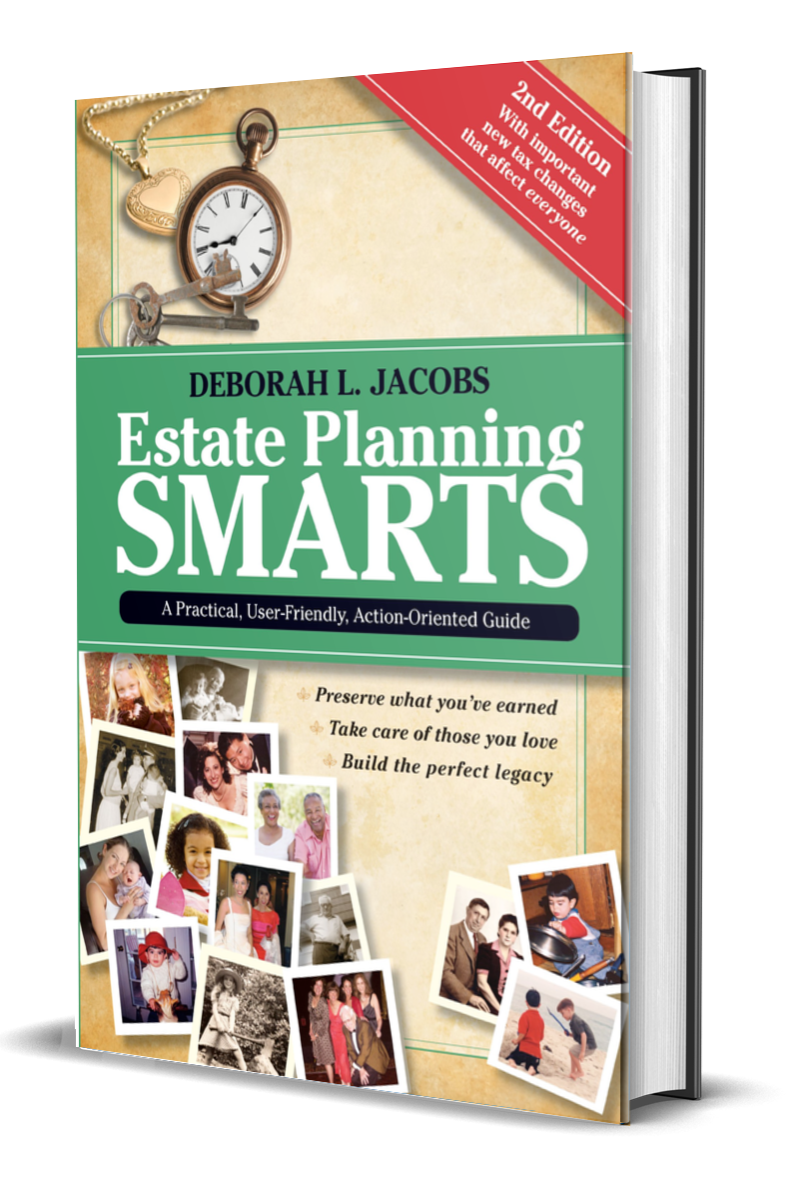
Estate Planning Smarts book by Deborah Jacobs
-
“If you’re a parent or about to become a one, get serious about planning.”
-
“Most importantly, be sure you name a guardian for your children and provide for them financially in case something happens to you.”
-
“Estate Planning starts with a fundamental goal: once you have provided for your own needs, take care of those you love.”
-
“The legal bill to prepare a trust can run from $2,500 to more than $15,000.”
-
“It always feel painful to spend money on estate planning because you don’t live to reap the benefits, even if you know your heirs will.”
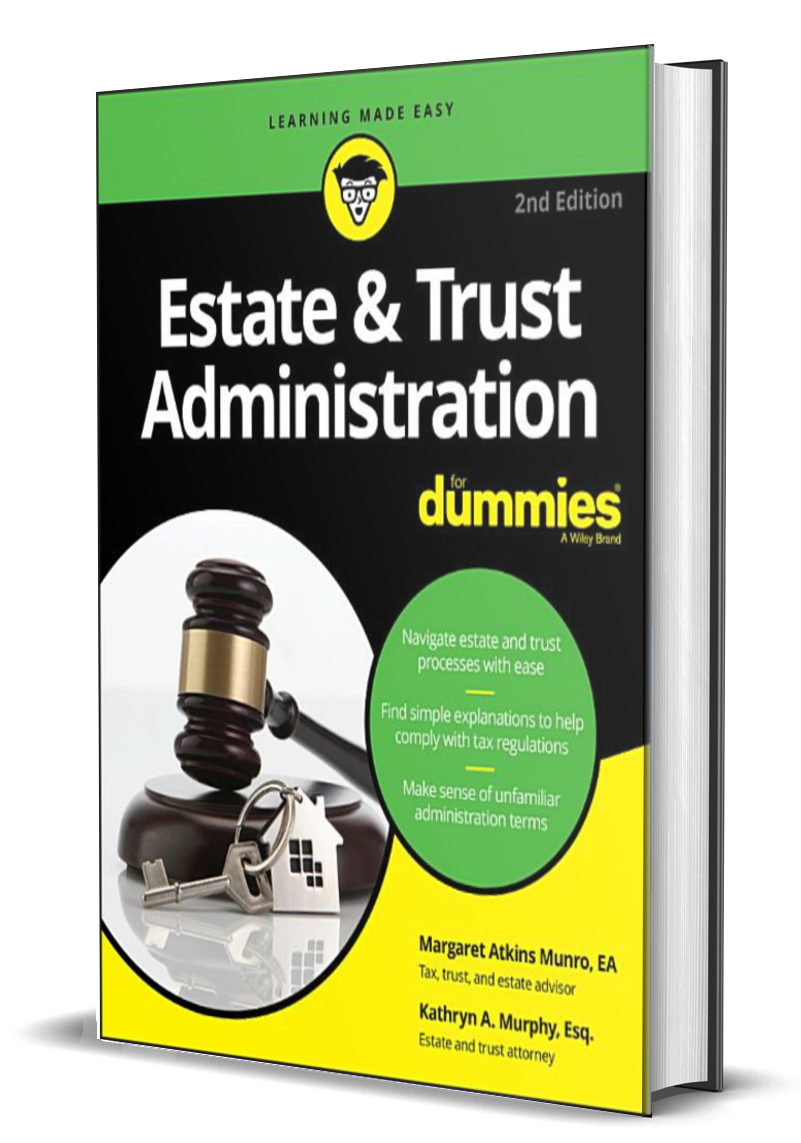
Estate and Trust Administration For Dummies book by Margaret A. Munro
-
”Probate accounts are a matter of public record, and anyone with the time and energy to go looking for them, from trust beneficiaries, disinherited heirs, or even newspaper reporters nosing around for some dirt, may access them.”
-
“Living trusts are an estate-planning technique designed to remove assets from the grantor’s estate, either directly to his or her heirs upon the grantor’s death or into his or her trust without ever setting foot in a probate court.”
-
”If you’ve created a living trust, your goal should be to transfer as many of your assets as you can into the trust during your lifetime.”
How to Avoid Probate book by Norman Dacey
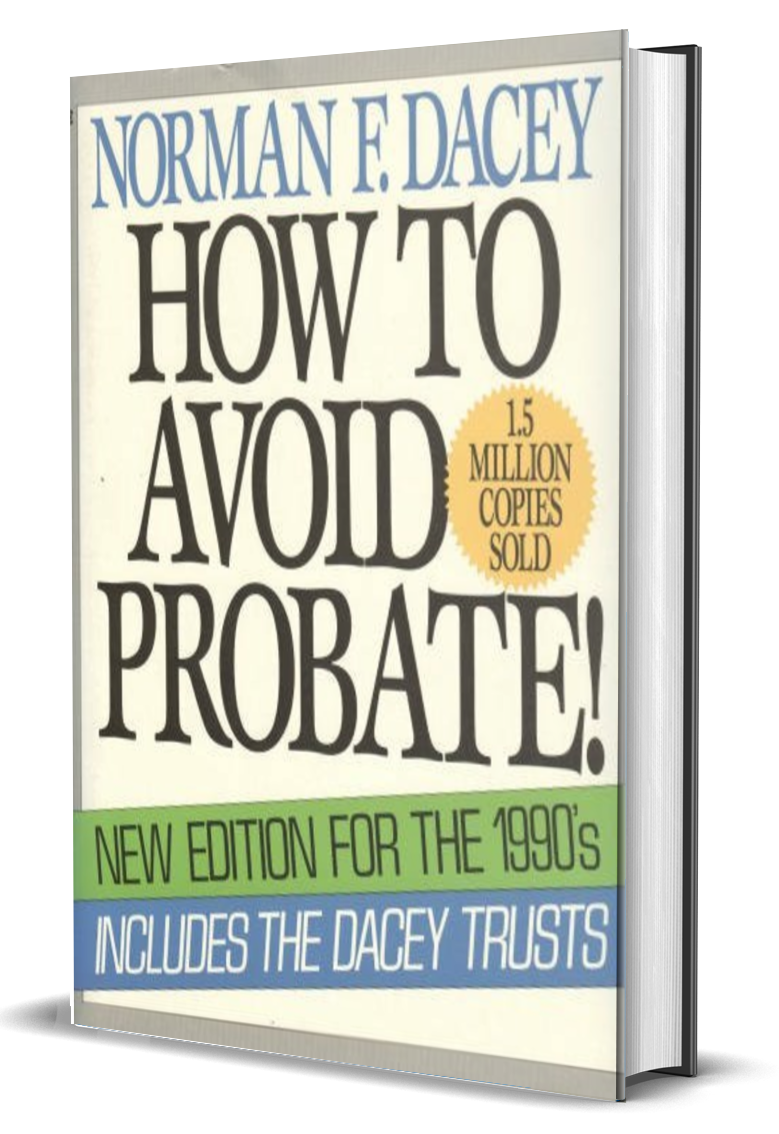
Norman F. Dacey wrote a best-selling book on ways to avoid probate, angering lawyers across the country. Dacey, an estate planner, showing how trusts could be set up to avoid the delays and expense of probate.
The entire book is full of quotables, so just read the whole thing!
Celebrity Case Studies
Resources
- In addition to the stories below read The Lessons of Famously Bad Estate Planning
Aretha Franklin
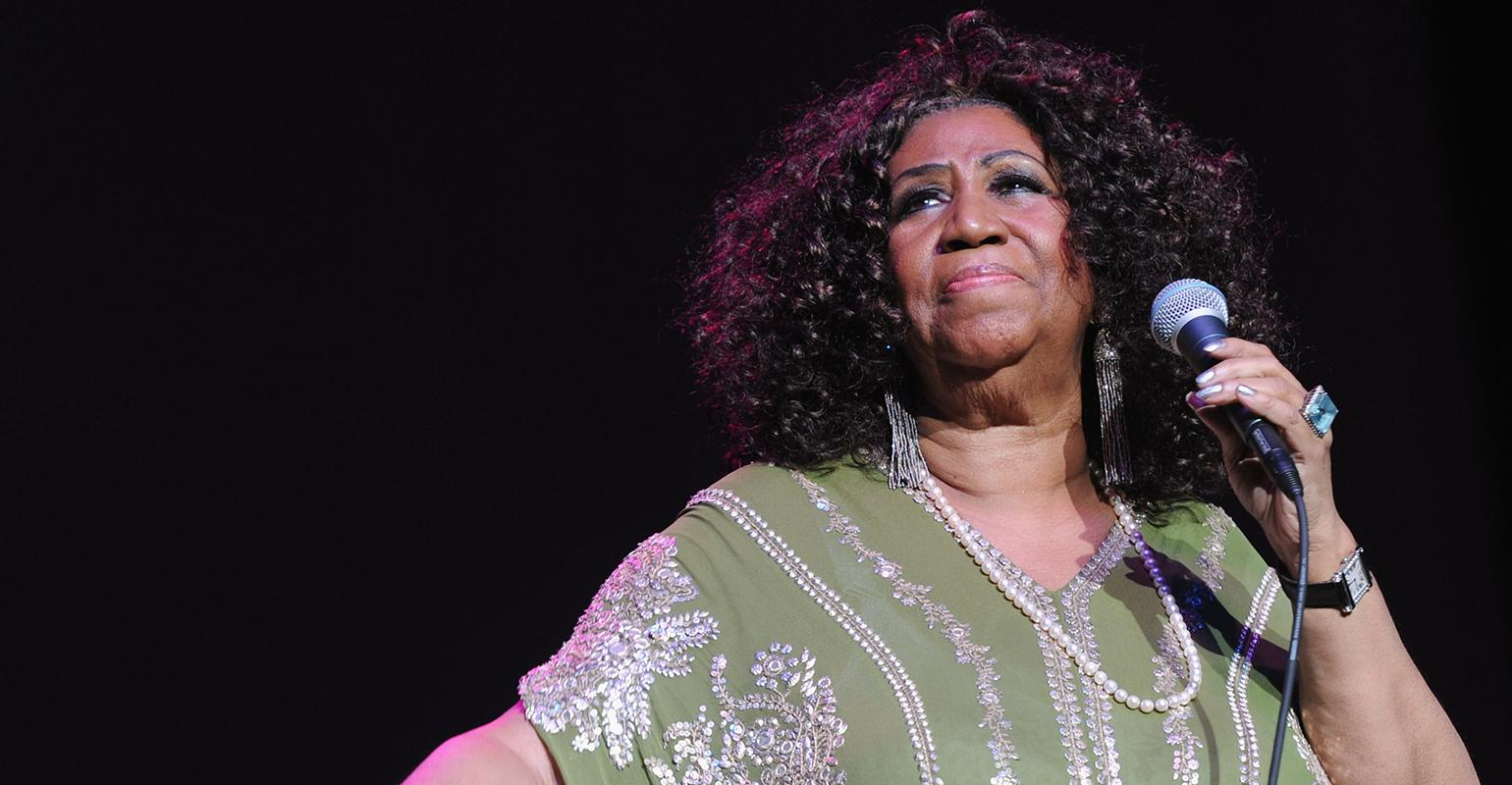
Aretha Franklin Died Without a Will - Her estimated $80 million estate could be in jeopardy.
By David H. Lenok. August 2018 for Wealth Management
Deeply private in life, Aretha Franklin’s estate will be laid bare for all to see, as according to court documents, she died without having a will or trust in place.
It’s estimated at roughly $80 million and includes the rights to a number of her hit songs) pass through intestacy. That being said, even if family strife is avoided, the complete lack of wealth transfer planning on Franklin’s part will likely result in Uncle Sam taking a huge tax bite out of that figure.
In an interview with the Detroit Free Press , Franklin’s long-time entertainment lawyer Don Wilson doesn’t paint a particularly optimistic picture. "I was after her for a number of years to do a trust," he said. "It would have expedited things and kept them out of probate and kept things private. Any time they don't leave a trust or will, there always ends up being a fight."
What is certain is that Franklin should have followed her own advice and taken some time to “Think” about her estate plan—or lack thereof.
Luke Perry
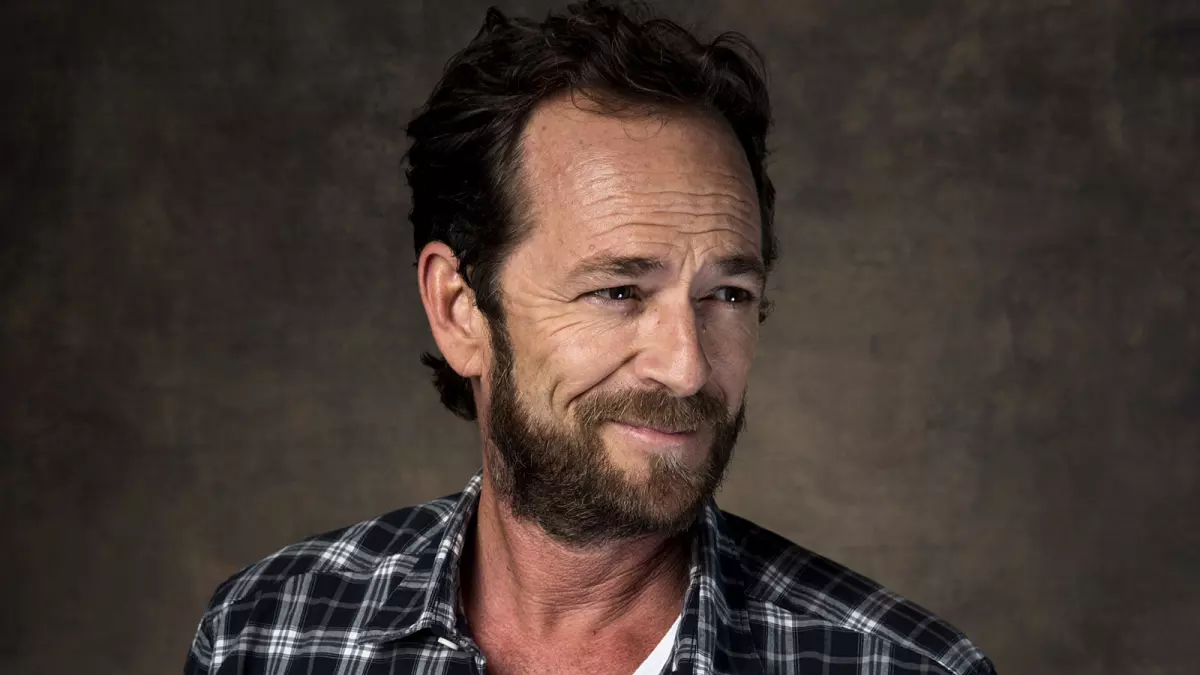
Luke Perry Protected His Family With Estate Planning
By Danielle and Andy Mayoras. April 2019, Forbes
When Luke Perry died on March 4, 2019, he was surrounded by family and loved ones. Fortunately, Perry's foresight to do the proper estate planning meant that the tragedy was not made worse for his family.
The fact that the hospital allowed Perry's family to end life support means that Luke Perry likely had executed the proper legal documents so that his family could make the decision. Specifically, in California, those wishes generally are made in writing, through an Advance Directive or a Power of Attorney. Without a proper legal document, Luke Perry's family may have needed an order from a probate court to terminate life support, at least if family members disagreed. That would have been a public and emotional process that would have prolonged his suffering and made it even harder for his family.
Given that Luke Perry had a reported net worth of around $10 million, it is likely that he created a revocable living trust in addition to a simple will. If he had only a will, then his estate will have to pass through probate court. Instead, if Perry had a trust - which is far more likely - and if his trust was properly funded (meaning that he transferred his assets into his trust prior to death), then his assets can pass onto his children without court intervention.
Anna Nicole Smith
Anna Nicole Smith Leaves Everything to Dead Son
By Susan Candiotti. February 2007, CNN
Anna Nicole Smith left everything to her son Daniel, who died in September, according to a will released Friday by a Florida court.
The 16-page will was never updated. It does not mention Smith's 5-month-old daughter, Dannielynn.
The stakes are huge - perhaps $88 million or more. Smith's heir or heirs stand to inherit a stake in her longstanding claim to the $1.6 billion fortune of her late husband, Texas oil baron J. Howard Marshall II.
Paul Walker

Five Estate Planning Lessons From The Paul Walker Estate
By Danielle and Andy Mayoras. February 2014, Forbes
The probate filing and will reveal that Walker had assets of about 25 million dollars. Second, the filing shows that Walker had a revocable living trust, benefiting his daughter as the sole beneficiary. Trusts, unlike wills, are private documents - so we do not get to see the actual trust document. The probate documents only reveal that the trust exists and that Meadow is the sole beneficiary of it.
- Paul Walker Placed His Trust In A Trust.
- To Be Most Effective, Trusts Need To Be Fully Funded During Life.
- Naming A Guardian For Minor Children Is Always A Good Idea.
- No One Should Wait Until They Are Old To Do Estate Planning.
- Wills, Trusts, And Other Estate Planning Documents Need To Be Updated.
James Gandolfini
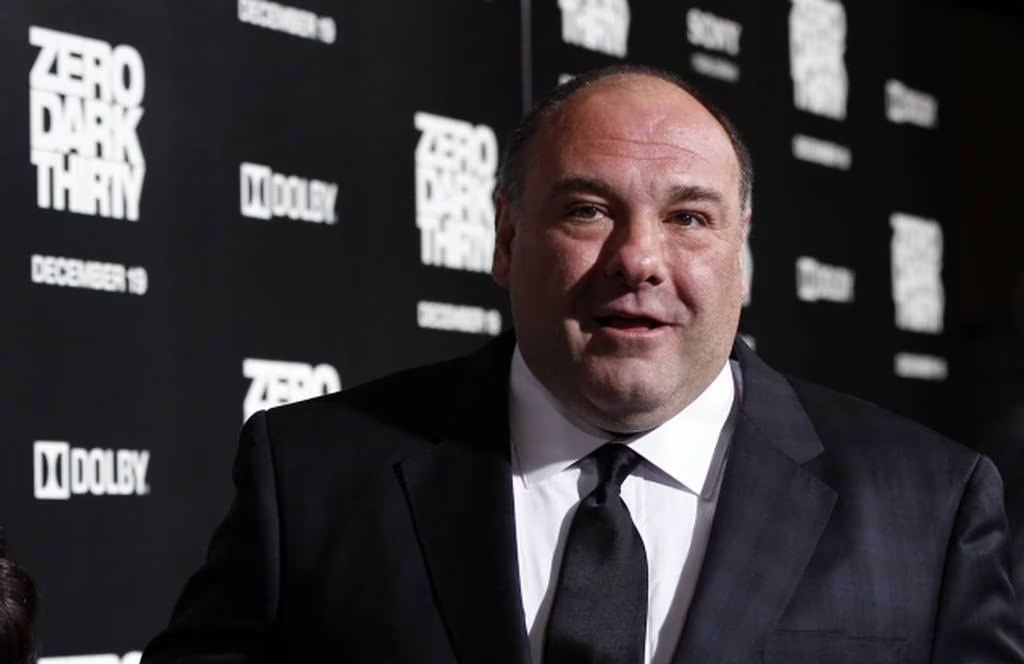
James Gandolfini will a tax 'disaster,' says top estate lawyer
By Dareh Gregorian. July 2013, NY Daily News
The taxman is coming after James Gandolfini's heirs. The late "Sopranos" star's will is "a disaster" that could see over $30 million of his estimated $70 million estate go to the government.
"It's a nightmare from a tax standpoint," said William Zabel, who reviewed the document. The 51-year-old's "big mistake" was leaving 80% of his estate to his sisters and his 9-month-old daughter, Zabel said. That made 80% of the estate subject to "death taxes" of about 55%, and the bill is due in nine months.
That means his family will have to start selling off his property and liquidating his assets soon in order to pay the tab, since it's unlikely the actor had tens of millions of dollars in cash on hand. "The government doesn't accept the fact that it's difficult to come up with the money you owe," said the lawyer.
Frank Sinatra
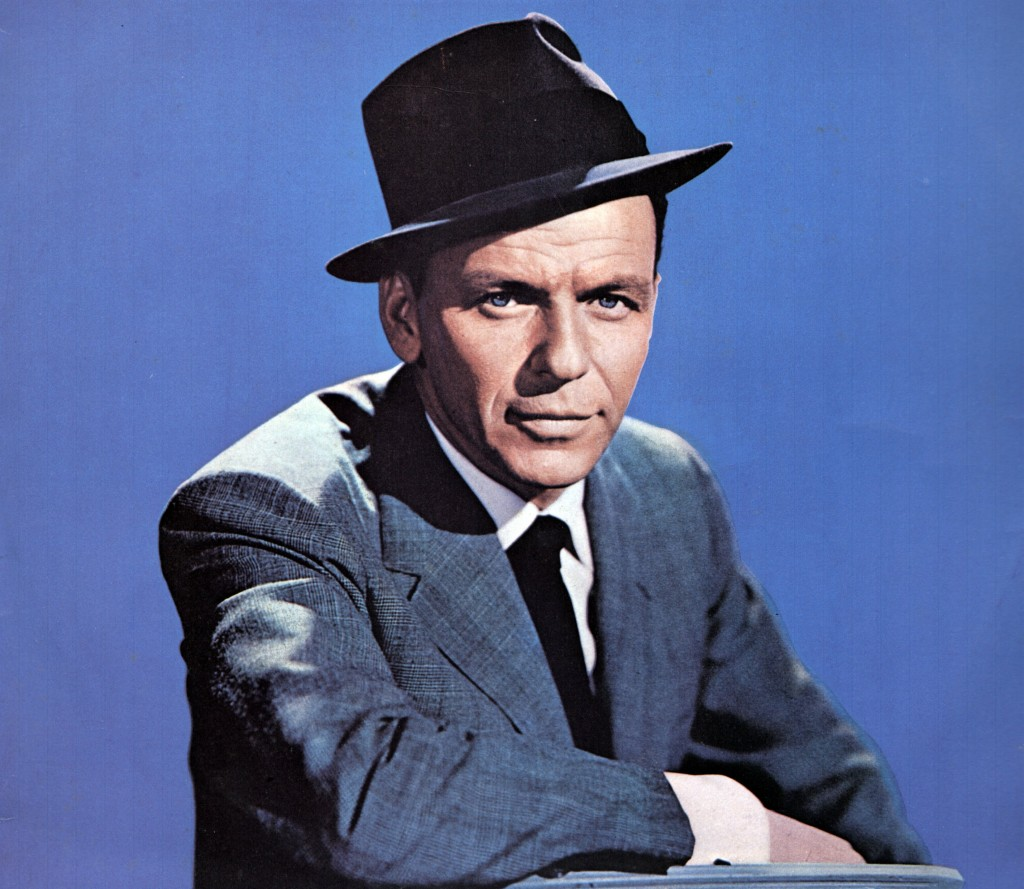
Frank Made Sure It Was “His Way”, Even Posthumously
Frank Sinatra included a very detailed no-contest clause in his living trust. This meant that anyone who fought the will or trust by using any of the 13 legal actions listed would be disinherited.
Despite his trust favoring some children over others, no one contested.
Michael Jackson

Michael Jackson Failed to Fund His Living Trust
Michael Jackson named people as executors of his trust who were not in the Jackson family. That ensured a fight from his mother, Katherine.
But that would not have gotten much traction had he adequately funded the trust, which he did not do.
Charles Kuralt
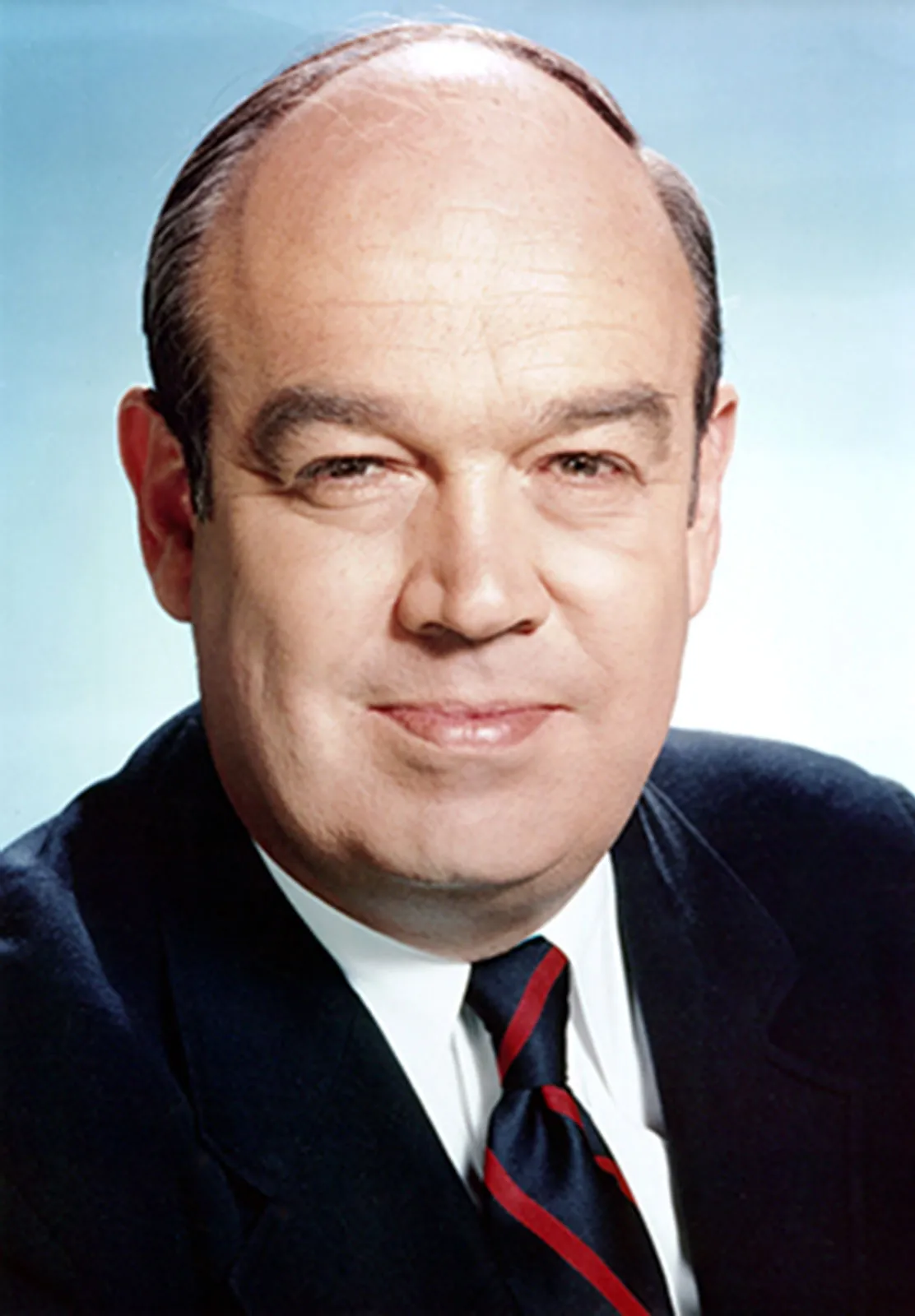
Charles Kuralt Died without a Living Trust
Charles Kuralt, American journalist, correspondent, and news anchor, died 4, July 1992 from Lupus.
It wasn't until after Kuralt's death that an extramarital affair came to light, and even then only because the woman contested his will. Apparently Kuralt had purchased a renovated schoolhouse on 90 acres in southwestern Montana, where he kept Patricia Shannon, his mistress of 29 years. He also bought her a cottage in Ireland and paid for her kids' college tuition. Over the first decade of their relationship, Kuralt gave her something like $600,000. "Charles always said, his refrain through all of his life, 'Don't worry, we're rich,' he would say. Charles took care of all my needs."
After a prolonged legal fight, not only did Ms. Shannon win the property in question, but Kuralt's daughters were forced to pay the mistress's estate taxes, amounting to $350,000.
Jimi Hendrix
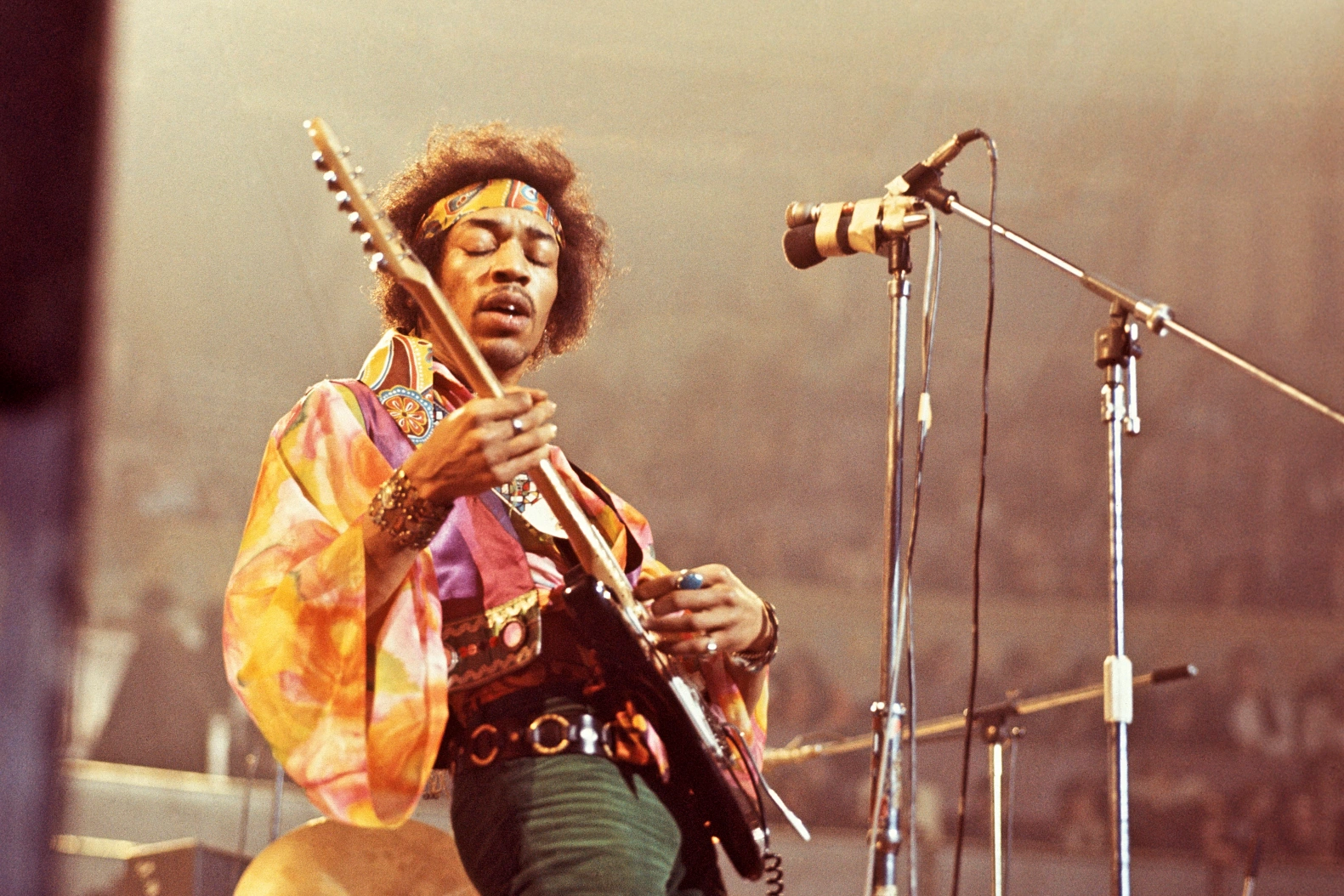
Jimi Hendrix Died Without a Living Trust
Guitar great Jim Hendrix died in 1970 without a will or living trust, setting up a family fight that would end up in court more than 30 years later. His father, AI, had cut Jimi's brother out of the estate and left the Hendrix legacy in control of AI's adopted daughter, Janie, from his second marriage.
Odds are good that Jimi Hendrix would not have expected these turns of events. but he had no say in the matter because he did not leave a will or living trust.
Sonny Bono
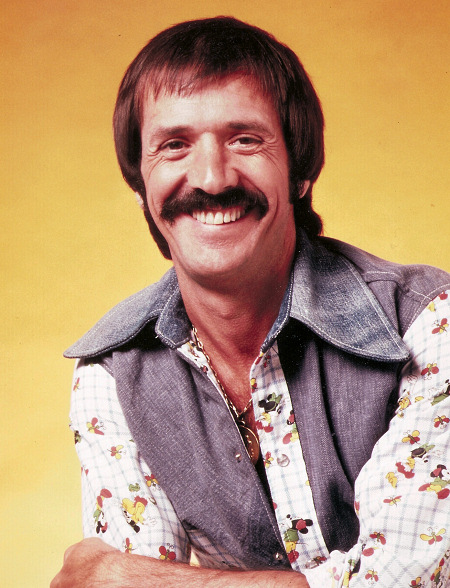
Sonny Bono Died Without a Living Trust
When Sonny Bono died on January 5th 1998, in a skiing accident, he did not leave a will nor living trust. Sonny's widow, Mary barely had time to grieve. She had to run to court so she could be appointed the estate's executor.
Other people, including Cher, lined up to make claims against the estate. Then there was the inevitable love child. They actually had to take a DNA sample from Sonny's body to determine whether this was actually a child of his. Sonny could have saved his widow a lot of grief and aggravation by getting a simple Living Trust.
Michael Crichton
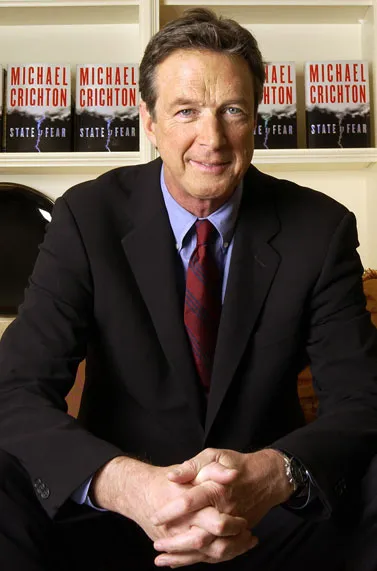
Michael Crichton Disinherited His Unborn Child
Michael Crichton did leave a will and also excluded any unborn children. This is a typical provision for a high-net-worth man. When Crichton died of throat cancer, his fifth wife was six months pregnant and his will disinherited that child.
This highlights the importance of updating your estate planning documents. It should be done as soon as a life event happens.
Special Needs Trust
Quote
“With a special needs trust the child can still be eligible for public assistance upon reaching age 18. Like other trusts, special needs trusts also protect assets from claims of creditors, and people who may prey on the beneficiary.” -Deborah Jacobs, Estate Planning Smarts
If a family has a child with special needs, such as a permanent physical / mental / emotional impairment requiring a lifetime of care, a Special Needs Trust can provide for the ongoing care of the child even after the parents die.
Land Trusts + LLC
A land trust is a very powerful tool for the savvy real estate investor. A land trust is a revocable, living trust used specifically for holding title to real estate. Each property is titled in a separate trust, affording maximum privacy and protection. Here are seven reasons to use land trusts for titling property to real estate.
A land trust together with a LLC as the beneficiary is a very powerful combination for the savvy real estate owner. The basic structure is that the land trust owns the property (ie, it is the deed holder), and the beneficiary of the trust is your LLC.
Some of the potential benefits:
-
Privacy. Having your real estate titled in land trusts makes it difficult for others find out who the owner is, since the trust agreement is not public record.
-
Protection from Lawsuits / Liens / Title Claims / HOA Claims. Having the appearance of owning nothing is the best lawsuit-repellent you can have, and that is provided by the privacy features of a land trust / LLC.
7 Reasons to Use Land Trusts
In today's information age, anyone with an internet connection can look up your ownership of real estate. Privacy is extremely important to most people who don't want others knowing what they own. For example, if you own several properties within a city that has strict code enforcement, you could end up being hauled into court for too many violations, even minor ones. Having your real estate titled in land trusts makes it difficult for city code enforcement to find who the owner is, since the trust agreement is not public record for everyone to see.
Real estate titled in a trust name is not subject to liens against the beneficiary of the trust. For example, if you are dealing with a seller in foreclosure, a judgment holder or the IRS can file a claim against the property in the name of the seller. If the property is titled into the trust, the personal judgments or liens of the seller will not attach to the property.
If you sign a warranty deed in your own name, you are subject to potential title claims against you if there is
a problem with title to the property. For example, a lien filed without your knowledge could result in liability against you, even if you purchased title insurance. A land trust in your place as seller will protect you personally against many types of title claims because the claim will be limited to the trust. If the trust already sold the property, it has no assets and thus limits your exposure to title claims.
Let's face it, people tend to only sue others who appear to have money. Attorneys who work on contingency are only likely to take cases which they can not only win, but collect, since their fee is based on collection. If your properties are hard to find, you will appear "broke" and less worth suing. Even if a potential plaintiff thinks you have assets, the difficult prospect of finding and attaching these assets will discourage litigation against you.
When you take title to a property in a homeowner's association (HOA), you become personally liable for all
dues and assessments. This means if you buy a condo in your own name and the association assess an amount due, they can place a lien on the property and/or sue you PERSONALLY for the obligation! Don't take title in your name in an HOA, but instead take title in a land trust so that the trust itself (and thus the property) will be the sole recourse for the homeowner's association' debts.
The ownership of a land trust (called the "beneficial interest") is assignable, similar to the way stock in a
corporation is assignable. Once property is titled in trust, the beneficiary of the trust can be changed without changing title to the property. This can be very advantageous in the case of a real estate contract that is non-assignable, such as in the case of a bank-owned or HUD property. Instead of making your offer in your own name, make the offer in the name of a land trust, then assign your interest in the land trust to a third party.
A non-assumable loan can become effectively assumed by using a land trust. The seller transfers title into a land trust, with himself as beneficiary. This transfer does not trigger the due-on-sale clause of the mortgage. After the fact, he transfers his beneficial interest to you. This latter transaction does trigger the due-on-sale, but such transfer does not come to the attention of the lender because it is not recorded anywhere in public records. This effectively makes a non-assumable loan "assumable". As you can see there are many creative effective uses for the land trust, limited only by your imagination.
Article: How to Protect Your Home Against Lawsuits, By Gary Mialocq, Ph.D
By Gary Mialocq, Ph.D1
There are more than 80 million lawsuits filed in America every year. Property owners, landlords and real estate investors are susceptible to liability.
-
Are your assets easy to locate?
-
Is your real estate in your name?
-
Why would you expose your most valuable assets to public scrutiny?
Anyone can go to the county recorder's office and find the owner of any property. Real estate records are computerized, so your real estate holdings can be located in a flash. If there are mortgages on your property, they will also be recorded and state the amount of the original principal balance and the date the mortgage payments began. Anyone can figure out your mortgage balance and subtract that amount from the market value of your house. They will know how much equity you have and whether you are a suitable candidate (target) for a lawsuit.
A contingency-fee lawyer charges a percentage of whatever he collects. Most will refuse to accept a case unless the defendant has means. If you have no real estate in your name, chances are they won't take the case.
Having the appearance of owning nothing is the best lawsuit-repellent you can have, and that is provided by the privacy features of a land trust.
The first thing you want to do before you invest in income property is to protect your own home against liens and encumbrances including protection from creditor judgments, tax liens, and probate and to keep the property hidden from actions in bankruptcy, marital dispute, and lawsuits. This can be done easily and inexpensively.
Using a land trust by itself does not provide asset protection. It will shield the property, but not protect it. In a similar fashion, an LLC does not protect you from lawsuits other than from those against the asset or assets of the LLC. In rare cases, single beneficiary land trusts have been penetrated if not properly structured.
I recommend that for the best protection, title to your property should be vested with a corporate trustee in a Co-beneficiary land trust with one of the beneficiaries being your LLC. It's double protection and the end-result is that the co-beneficiary land trust prevents creditor partition and charging orders against the property, and the LLC keeps you from being sued personally regarding matters concerning the property.
The trustee and the beneficiary should never be the same entity and should always be an arm's length entity whose death would not subject your property to probate (i.e., as is the case with a natural person as trustee). When a property is placed into a land trust, the beneficiaries remain responsible for all debt, management and maintenance; and passing any such responsibility to the trustee may invalidate a true residential title-holding Illinois-type land trust.
You own the land trust (personal property) and your Trustee owns the real property. This is very important because your asset is no longer governed by mortgage law, but now by the Uniform Commercial Code (UCC) Article 9. When sued, a creditor first goes for the property but is stopped dead by the co-beneficiary nature of the trust (either two or more unrelated parties, or one beneficiary and a remainder agent holding personalty vs. realty). The creditor may then give up and go after you personally, but will be stopped again due to your exposure and liability being limited by the LLC to its only asset, the trust property.
This kind of asset protection security is not available in any of the traditional holding methods such as lease options, subject to's, land contracts, wraps, etc., all of which leave the property exposed and subject to liens and encumbrances.
-
Gary Mialocq, Ph.D. is a former self-employed vocational rehabilitation counselor with significant experience in helping others improve the quality of their lives, having worked with disabled children and adults, juvenile felony offenders, and industrially-injured workers. He has dabbled in real estate since 1980 using creative financing strategies and techniques to acquire and manage properties. He specializes in the Equity Holding Trust and is a Certified Land Trust Consultant. ↩